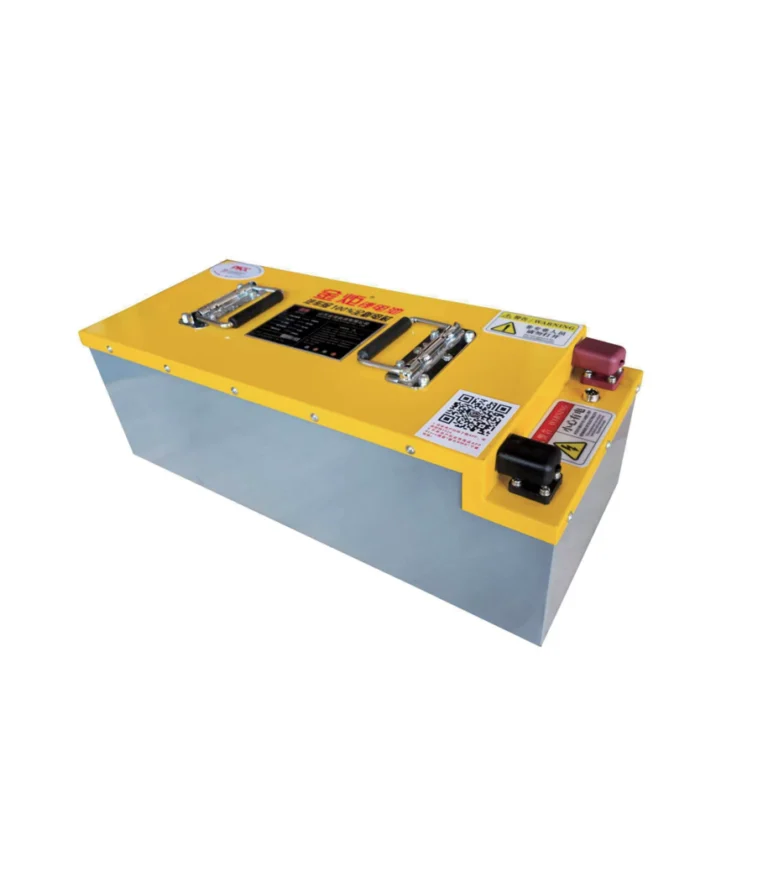
Lithium Ion Battery Charger Guide: How to Choose the Right One in 2026
Choose the right lithium ion battery charger by checking voltage, charging current, BMS compatibility, safety protection, connectors, and common mistakes.


Table of Contents
A lithium ion battery charger is an important part of any lithium battery system. The right charger helps your battery charge safely, work efficiently, and last longer. The wrong charger may cause slow charging, poor battery performance, or even safety risks.
Many people only look at the charger price, but that is not enough. Before choosing a charger, you need to check battery voltage, charging current, battery capacity, connector type, and safety protection.
Quick answer: A lithium ion battery charger should match the battery voltage, charging current, chemistry, connector, and BMS requirements. For most buyers, the safest choice is a charger designed specifically for lithium-ion or LiFePO4 batteries.
Lithium Ion Battery Charger Guide Checklist
- Confirm the battery voltage: 12V, 24V, 36V, 48V, or 72V.
- Check the recommended charging current from the battery supplier.
- Match the charger to the battery chemistry, such as lithium-ion or LiFePO4.
- Check connector type, polarity, and BMS compatibility.
- Choose protection features such as overvoltage, overcurrent, short-circuit, and overheating protection.
- For industrial use, compare the charger with the full battery pack specification before ordering.
What Is a Lithium Ion Battery Charger?
A lithium ion battery charger is designed to charge lithium-ion battery packs with the correct voltage and charging method.
Lithium batteries are different from lead-acid batteries. They need a charger that can control the charging process more accurately. A proper charger usually uses a constant current and constant voltage charging method. This helps protect the battery from overcharging and overheating.
Using a normal lead-acid battery charger for a lithium battery is not recommended unless the charger clearly supports lithium batteries.
Why the Right Charger Matters
Choosing the right charger is important for three main reasons.
First, it protects battery life. A charger with the wrong voltage or current can reduce battery performance over time.
Second, it improves charging efficiency. A suitable charger can charge the battery at the right speed without putting too much stress on the cells.
Third, it improves safety. A good lithium ion battery charger should include protection against overvoltage, overcurrent, short circuit, and overheating.
Key Factors to Check Before Buying a Lithium Ion Battery Charger
Use this section as a practical charger selection checklist. Each point helps confirm whether the charger can safely match the lithium battery pack, BMS, connector, and real application.
1. Battery Voltage
Voltage is the first thing to check. The charger voltage must match the battery pack voltage.
Common lithium battery systems include 12V lithium battery, 24V lithium battery, 36V lithium battery, 48V lithium battery, and 72V lithium battery.
For example, a 48V lithium battery needs a charger designed for 48V lithium battery packs. Do not use a charger with the wrong voltage.
2. Charging Current
Charging current affects charging speed. A higher current can charge the battery faster, but it must be within the battery’s safe charging range.
For example, a small lithium battery pack may only need a low-current charger. A large battery pack for a golf cart, RV, or solar system may need a higher-current charger.
Always check the battery manufacturer’s recommended charging current before buying a charger.
3. Battery Capacity
Battery capacity is usually measured in amp-hours, such as 50Ah, 100Ah, or 200Ah.
A larger battery normally needs more charging time. If the charger current is too low, charging may take a very long time. If the charger current is too high, it may damage the battery or trigger the battery management system.
A good charger should match both the voltage and capacity of the battery.
4. Connector Type
Different lithium batteries may use different charging connectors. Before buying a charger, check the connector on your battery pack.
If the connector does not match, the charger may not connect properly. In some cases, using the wrong connector can cause poor contact or safety problems.
5. Safety Protection
A reliable lithium ion battery charger should include basic safety protection, such as overvoltage protection, overcurrent protection, short-circuit protection, overheating protection, and automatic shut-off after full charge.
These features help protect both the charger and the battery.
6. Battery Management System Compatibility
Most lithium battery packs have a BMS, or battery management system. The BMS helps protect the battery cells during charging and discharging.
The charger should work properly with the battery’s BMS. If the charger is not compatible, charging may stop unexpectedly or fail to start.

Common Applications
Lithium ion battery chargers are used in many applications, including e-bike batteries, golf cart batteries, RV lithium batteries, marine batteries, solar energy storage batteries, motorcycle batteries, and industrial battery packs.
Each application may need a different charger size, voltage, current, and connector.
You can also browse the Golden Torch battery product catalog to compare available battery voltages and applications before choosing a charger.
If you are choosing a charger for an industrial or energy storage battery system, you can also compare it with existing battery specifications. For example, Golden Torch provides 24V lithium battery, 48V lithium battery, and 72V lithium battery options for different application needs.
For general battery safety information, you can also review the U.S. Department of Energy guide to lithium-ion batteries. For a real project, always follow the battery manufacturer’s charging instructions.
Common Mistakes to Avoid
These mistakes often cause charging problems, short battery life, or avoidable after-sales issues. Check them before approving a charger sample or replacement charger.
Using a Lead-Acid Charger
A lead-acid charger is not always suitable for lithium batteries. Lithium batteries need a different charging profile. Using the wrong charger can shorten battery life or create safety risks.
Choosing Only by Price
A cheap charger may not include enough protection features. It may also have unstable output or poor heat control. For lithium batteries, charger quality is very important.
Ignoring Voltage
Voltage mismatch is one of the most common mistakes. A charger must match the battery pack voltage. Never guess the voltage.
Ignoring Heat
A charger may become warm during charging, but it should not overheat. Good heat dissipation helps the charger work more safely and last longer.
How Long Does a Lithium Ion Battery Charger Take to Charge a Battery?
Charging time depends on battery capacity and charger current.
A simple way to estimate charging time is:
Battery capacity ÷ Charger current = Approximate charging timeFor example, a 100Ah battery charged with a 20A charger may take around 5 hours under ideal conditions. Actual charging time may be different because of battery status, BMS control, charger efficiency, and temperature.
For shipping and safety planning, buyers can also review the FAA lithium battery transport guidance before moving charger and battery equipment.
FAQ
These common questions help buyers confirm charger compatibility before they request a quotation or replace an existing charger.
Can I use a normal charger for a lithium ion battery?
No, not unless the charger clearly supports lithium batteries. A lithium battery should use a charger designed for lithium-ion or LiFePO4 batteries.
How do I know what charger my lithium battery needs?
Check the battery voltage, capacity, recommended charging current, connector type, and battery chemistry. These details are usually listed on the battery label or product manual.
Is a lithium ion battery charger safe?
A quality lithium ion battery charger is safe when used correctly. Choose a charger with overvoltage, overcurrent, short-circuit, and overheating protection.
What voltage charger do I need?
You need a charger that matches your battery pack voltage. For example, use a 12V lithium charger for a 12V battery and a 48V lithium charger for a 48V battery.
Can I leave a lithium battery on the charger overnight?
Some smart chargers stop charging automatically when the battery is full. However, it is still better to follow the battery and charger manufacturer’s instructions.
Need help matching a charger to your lithium battery pack? Share your battery voltage, capacity, application, and connector requirements with the Golden Torch team. Contact us for lithium battery and charger matching support.
Conclusion
Choosing the right lithium ion battery charger is not difficult, but you need to check the important details before buying. Make sure the charger matches your battery voltage, charging current, capacity, connector type, and safety requirements.
A good charger helps your lithium battery charge safely, work better, and last longer. For e-bikes, golf carts, RVs, marine systems, solar storage, and other lithium battery applications, choosing the right charger is a key part of building a reliable power system.