
OEM Battery Guide for Industrial Fleets and Material Handling
Decoupling the Jargon: OEM vs. ODM vs. Aftermarket Batteries
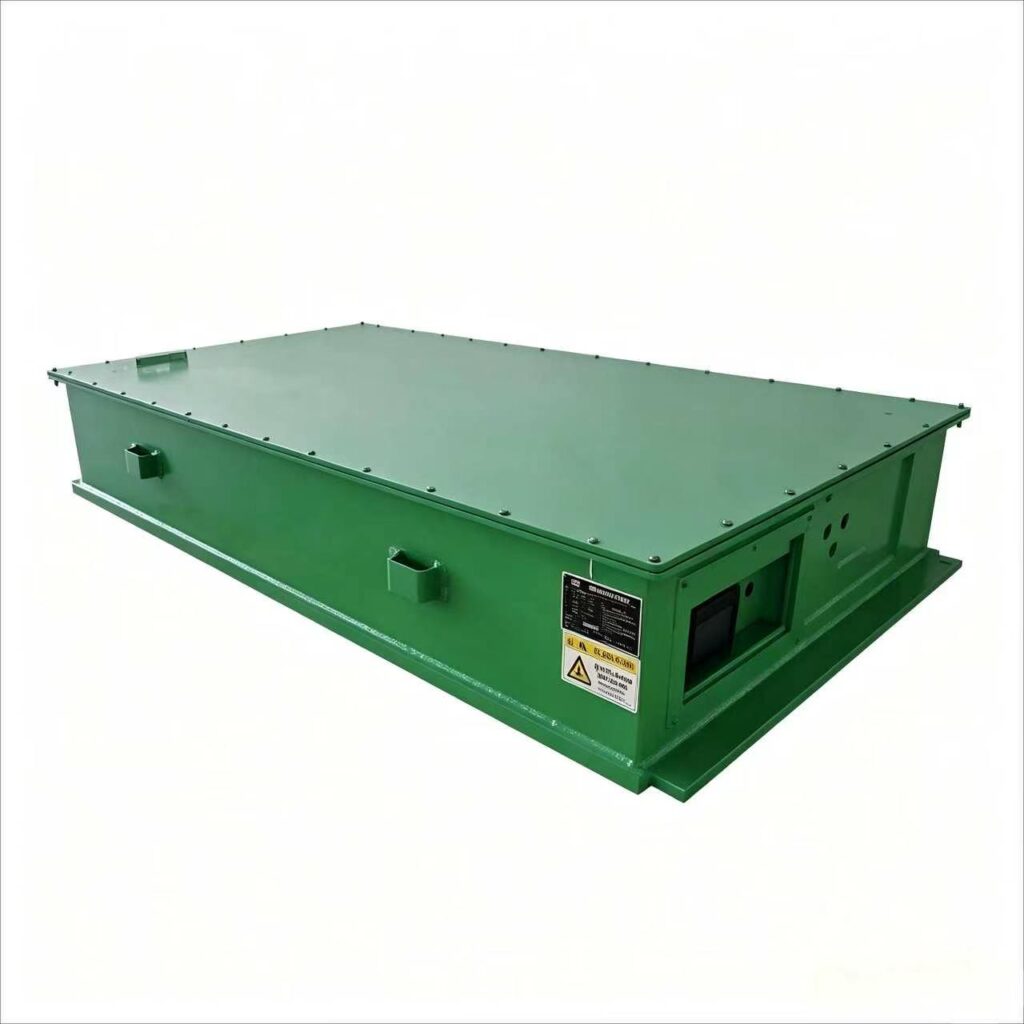
When powering heavy-duty industrial equipment, picking the wrong power source can paralyze your operations. Let’s break down what an OEM battery actually is and how it stacks up against ODM and aftermarket alternatives.
OEM (Original Equipment Manufacturer): These batteries are built exactly to proprietary specifications, dimensions, and electrical requirements. We engineer these solutions to integrate flawlessly with your specific industrial machinery.
ODM (Original Design Manufacturer): These are pre-designed, off-the-shelf battery solutions. Another company designs and builds them, and they are simply rebranded by other companies with a different logo.
Aftermarket/Generic: These are third-party, reverse-engineered batteries. They are optimized strictly for low cost, often sacrificing performance and safety to hit a cheaper price point.
-
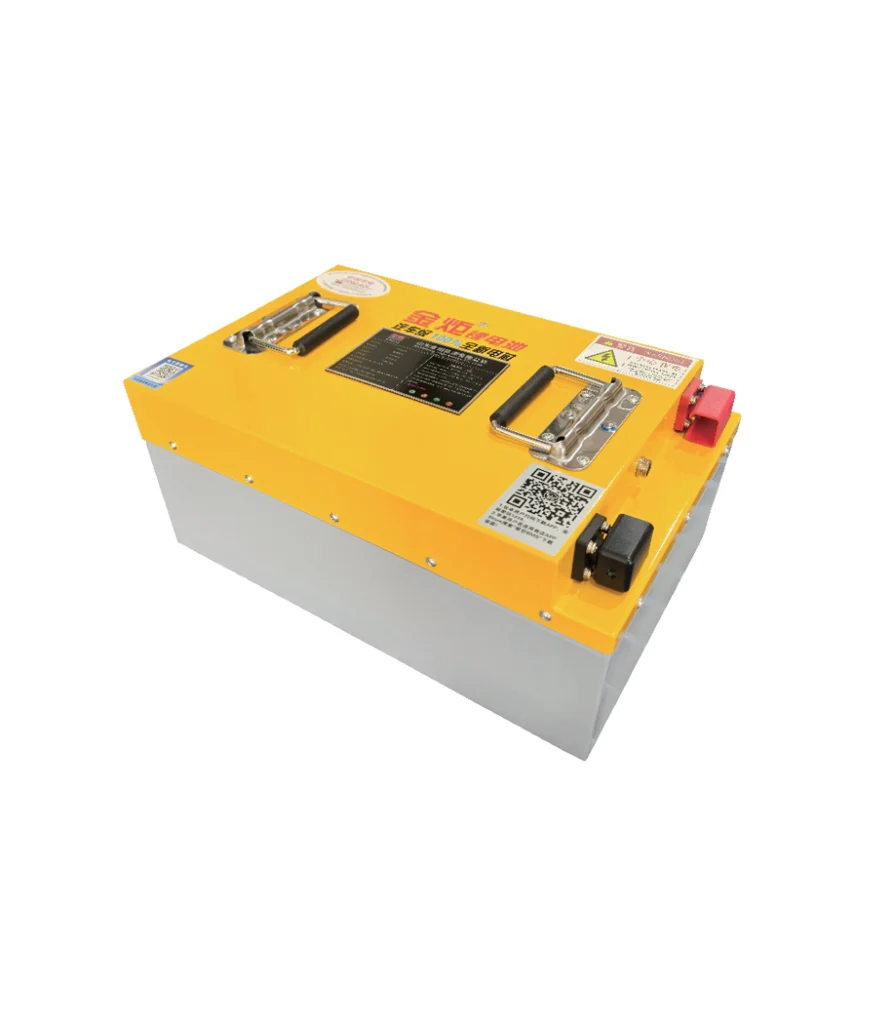
48V 150Ah LiFePO4 Battery
-
48V 60Ah LiFePO4 Battery lithium iron phosphate battery
-
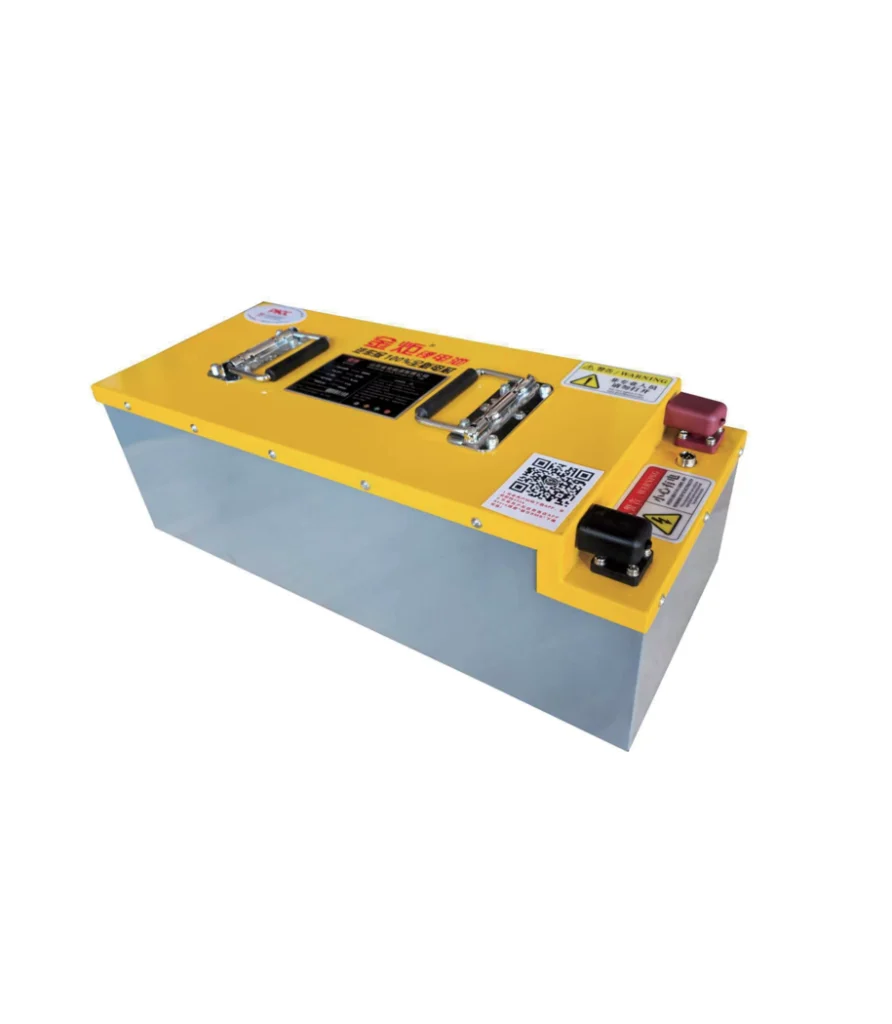
48V 80Ah LiFePO4 Battery
-
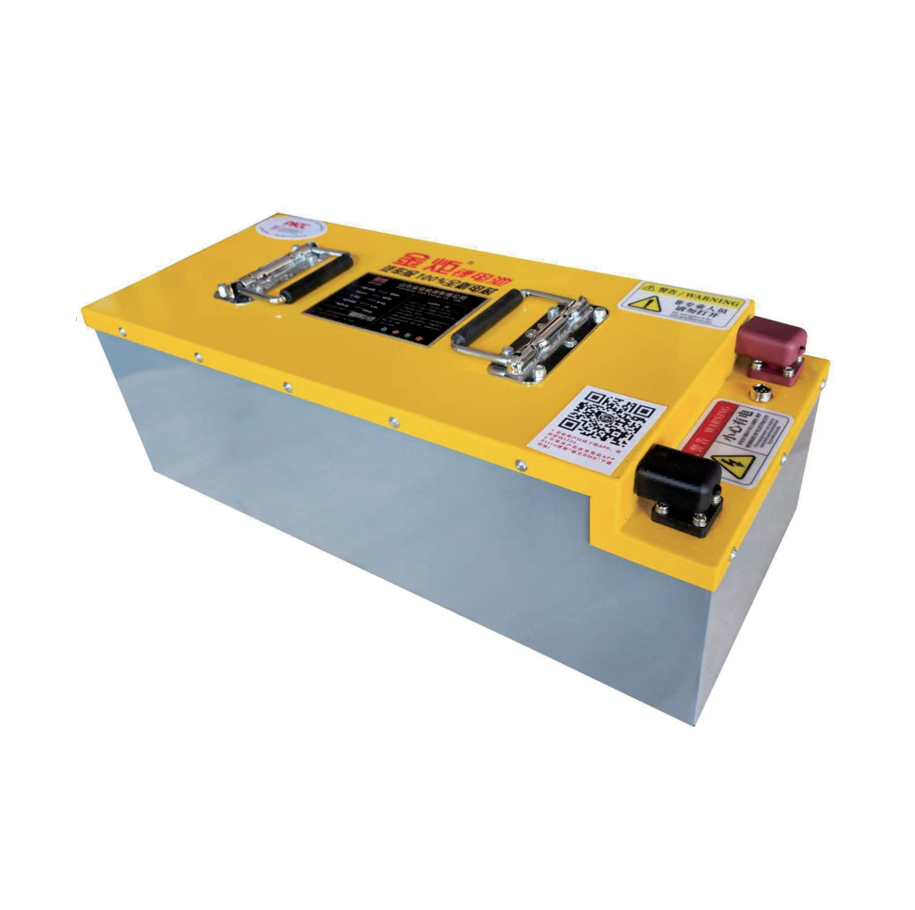
60V 45Ah LiFePO4 Battery–lithium iron phosphate battery
-

60V 60Ah LiFePO4 Battery–lithium iron phosphate battery–60V Forklift Lithium Battery
-
60V 80Ah LiFePO4 Battery–lithium iron phosphate battery
-
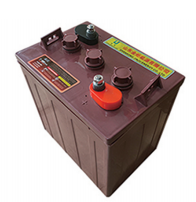
6V 180Ah Deep Cycle Lead-Acid EV Battery 3-GD-180
-

6V 180Ah Energy Storage Battery–New Energy Battery–3-EVF-180 battery
-
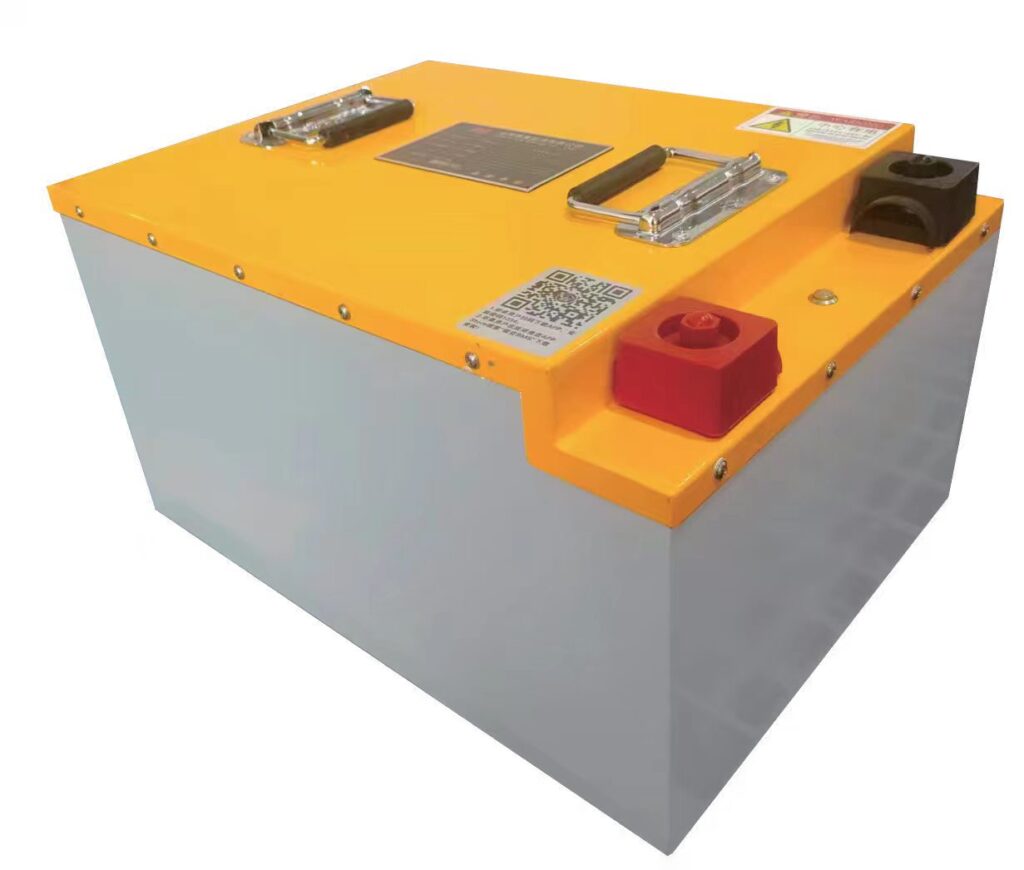
72V 110Ah LiFePO4 Battery–lithium iron phosphate battery–72V Forklift Lithium Battery
The Architecture of Excellence: Why Industrial Applications Require OEM Lithium Solutions
Off-the-shelf power options just don’t cut it when it comes to heavy machinery. Heavy-duty material handling equipment like forklifts, AGVs, and robotics demand a level of precision that generic dimensions simply cannot provide. When a battery doesn’t fit the exact structural footprint of a machine, it introduces vibrations, shifts weight distribution, and risks premature hardware failure. An OEM battery is engineered to integrate perfectly into these specific physical spaces, preventing mechanical stress and maximizing operational uptime.
For large-scale operations looking to optimize their setups, choosing a dedicated industrial lithium battery solution ensures that the power source matches the equipment’s exact physical and electrical needs.
The Intelligence Layer: Proprietary BMS Telemetry
Modern industrial equipment relies heavily on data. A generic battery operates in an isolated silo, but our OEM solutions feature a proprietary Battery Management System (BMS) that communicates flawlessly with internal telemetry.
Real-Time Diagnostics: Continuous monitoring of cell voltage, current, and temperature.
Flawless Integration: Direct communication with the machine’s controller to prevent error codes and sudden shutdowns.
Predictive Maintenance: Data sharing that allows fleet managers to address minor issues before they cause costly downtime.

Financial Reality: Analyzing Total Cost of Ownership (TCO)
The Aftermarket Trap vs. OEM Value
When managing a fleet, a low upfront price tag on a generic battery is incredibly tempting. However, opting for cheap aftermarket alternatives invariably invites hidden, compounding costs. These budget batteries degrade rapidly under heavy daily use, triggering frequent replacements and unexpected downtime that halts operations.
In contrast, our engineered OEM battery solutions offer an undeniable lifecycle ROI. By matching precise industrial demands, a premium industrial lithium battery solution delivers up to 10x the cycle life of traditional lead-acid options and vastly outlasts uncertified generic packs.
Economic Impact of Efficiency and Charging
The true financial advantage of OEM lithium technology shows up clearly on the warehouse floor. Our power systems support fast, efficient opportunity charging during standard shift breaks, completely eliminating the need for time-consuming battery swapping.
| Power Factor | Aftermarket / Generic Batteries | GOLDEN TORCH OEM Lithium |
|---|---|---|
| Initial Investment | Low upfront cost | Higher initial investment |
| Battery Cycle Life | Short, rapid degradation | High longevity (Up to 10x longer) |
| Downtime Risk | High due to unpredictable failures | Minimal; engineered for reliability |
| Opportunity Charging | Degrades cell health quickly | Safe and efficient during short breaks |
Implementing a dedicated forklift battery lithium solution protects your machinery from premature cell degradation, lowers energy bills, and maximizes daily throughput. Investing in custom OEM engineering means buying fewer batteries over time and keeping heavy-duty equipment moving without interruption.
Safety and Compliance in Rigorous Industrial Environments
Industrial workspaces are unforgiving. When you are managing a fleet of forklifts, AGVs, or heavy machinery, battery safety isn’t just a checklist item—it is the backbone of your entire operation. Choosing a high-quality OEM battery ensures that your power source is engineered specifically to withstand these high-stress environments.
Mitigating Thermal Runaway
The biggest hazard with low-grade batteries is thermal runaway. In heavy-duty operations, internal heat can build up rapidly, leading to catastrophic cell failure. We combat this risk at the foundational level by utilizing rugged cell housing and strict quality control protocols. Every industrial lithium battery solution we build features reinforced structural shielding and advanced thermal management to isolate cells, ensuring that localized heat never escalates into a facility-wide hazard.
Certifications That Matter
You cannot take a manufacturer’s word for safety; you need verifiable proof. A reliable heavy duty industrial battery manufacturer must meet stringent international safety benchmarks. When vetting power options, look for these critical certifications:
- UL 2580: Proves the battery pack can handle severe electrical and mechanical abuse.
- CE Marking: Ensures compliance with strict European health, safety, and environmental protection standards.
- UN38.3: Guarantees the battery is safe for transport, proving it can withstand altitude, vibration, and impact.
Real-World Risks of Uncertified Aftermarket Batteries
Opting for cheap, uncertified aftermarket alternatives introduces massive liability into your commercial fleet. Without a proprietary Battery Management System (BMS) tailored to your specific machinery, third-party batteries can easily overcharge, short-circuit, or suffer from premature cell degradation.
Choosing the Right OEM Battery Partner: What B2B Buyers Should Look For
Finding the right OEM battery partner for your commercial fleet or heavy machinery isn’t just about comparing price sheets. For procurement managers and engineering teams across the United States, it is about securing an industrial lithium battery solution that guarantees operational uptime, strict safety compliance, and seamless integration.
End-to-End Engineering Capabilities
A true OEM partner handles everything from initial concept to final deployment under one roof. When vetting manufacturers, ensure they have the in-house capabilities to design custom cells, manage scalable pack assembly, and engineer a bespoke Battery Management System (BMS). A generic BMS cannot properly communicate with the proprietary telemetry of modern automated guided vehicles (AGVs) or heavy machinery. True efficiency requires specialized engineering, which is why we specialize in developing custom lithium battery packs for AGVs that map perfectly to complex industrial communication protocols.
Industrial Supply Chain Resilience
In the material handling industry, a delayed battery delivery means idled equipment and lost revenue. B2B buyers must prioritize suppliers with resilient, trusted manufacturing networks. Relying on domestic supply chains and transparent logistics mitigates geopolitical risks, stabilizes lead times, and ensures a steady flow of replacement components or scalable energy storage systems when your operations expand.
The GOLDEN TORCH Advantage
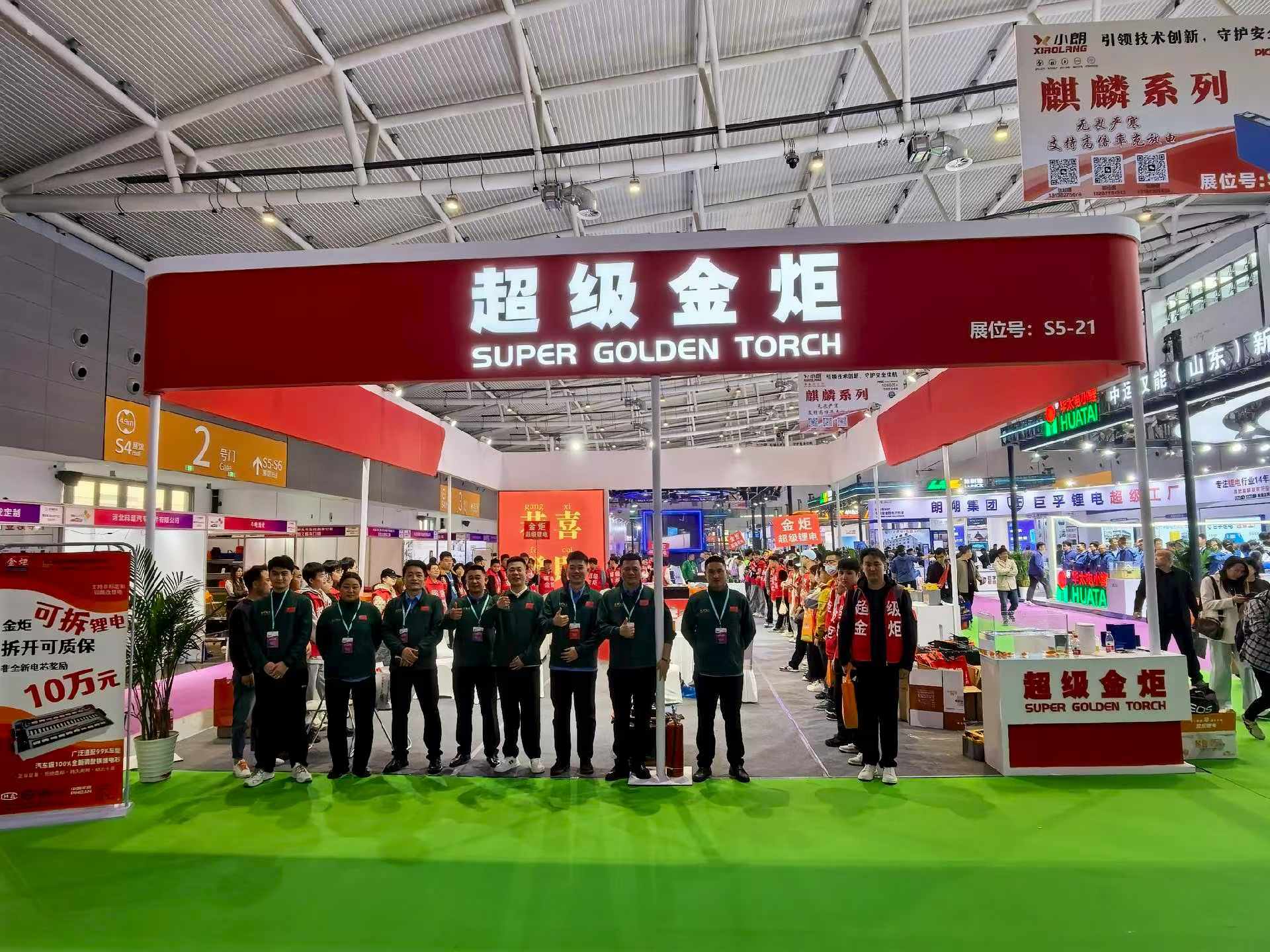
At GOLDEN TORCH, we engineer high-performance, tailored industrial lithium battery solutions specifically built for material handling, forklifts, and heavy machinery. We control the entire development pipeline—from custom cell selection to precise BMS programming—delivering robust power systems that drop directly into your existing infrastructure without modification.
- Tailored Engineering: Custom voltage, capacity, and dimensions to match your machinery perfectly.
- Maximum Uptime: Built to withstand the rigorous multi-shift demands of American warehousing and logistics.
- Direct Support: Seamless collaboration with our engineering team from initial design through long-term fleet deployment.
Frequently Asked Questions About OEM Batteries
Why does an OEM battery command a premium price over an aftermarket alternative?
An OEM battery costs more upfront because it is an engineered-to-order industrial lithium battery solution, not a generic clone. When you buy OEM, you pay for strict quality control, premium cell matching, and a Battery Management System (BMS) tailored to your specific machinery. Aftermarket brands cut corners on cell housing, safety certifications, and testing to lower their prices. Investing in an OEM solution eliminates the hidden costs of early cell degradation, sudden downtime, and safety hazards, delivering a much lower total cost of ownership over time.
Can aftermarket batteries void my industrial machinery warranty?
Yes, they frequently do. Most heavy-duty equipment manufacturers explicitly state that using non-certified, third-party power sources voids your warranty. If an aftermarket battery causes an electrical spike, thermal issue, or telemetry failure, you are on your own for repair costs. Staying with an Original Equipment Manufacturer power supply protects your machinery investment and ensures you remain fully covered under your equipment provider’s service agreements.
How long does a custom OEM lithium iron phosphate (LiFePO4) battery pack typically last?
A custom lithium iron phosphate (LiFePO4) pack from a trusted heavy duty industrial battery manufacturer typically lasts between 3,000 to 5,000 complete charge cycles before dropping to 80% of its original capacity. In a standard multi-shift material handling operation utilizing opportunity charging, this translates to roughly 7 to 10+ years of reliable service. This exceptional battery cycle life and longevity outlasts traditional lead-acid options by up to five times and easily beats out cheap aftermarket alternatives.